
Skip to content
The process

From filament to finished piece

3D printing sounds simple — melt plastic, build a shape — but the difference between a rough print and a proper product is in the details. Here's how we turn a file into something worth shipping.

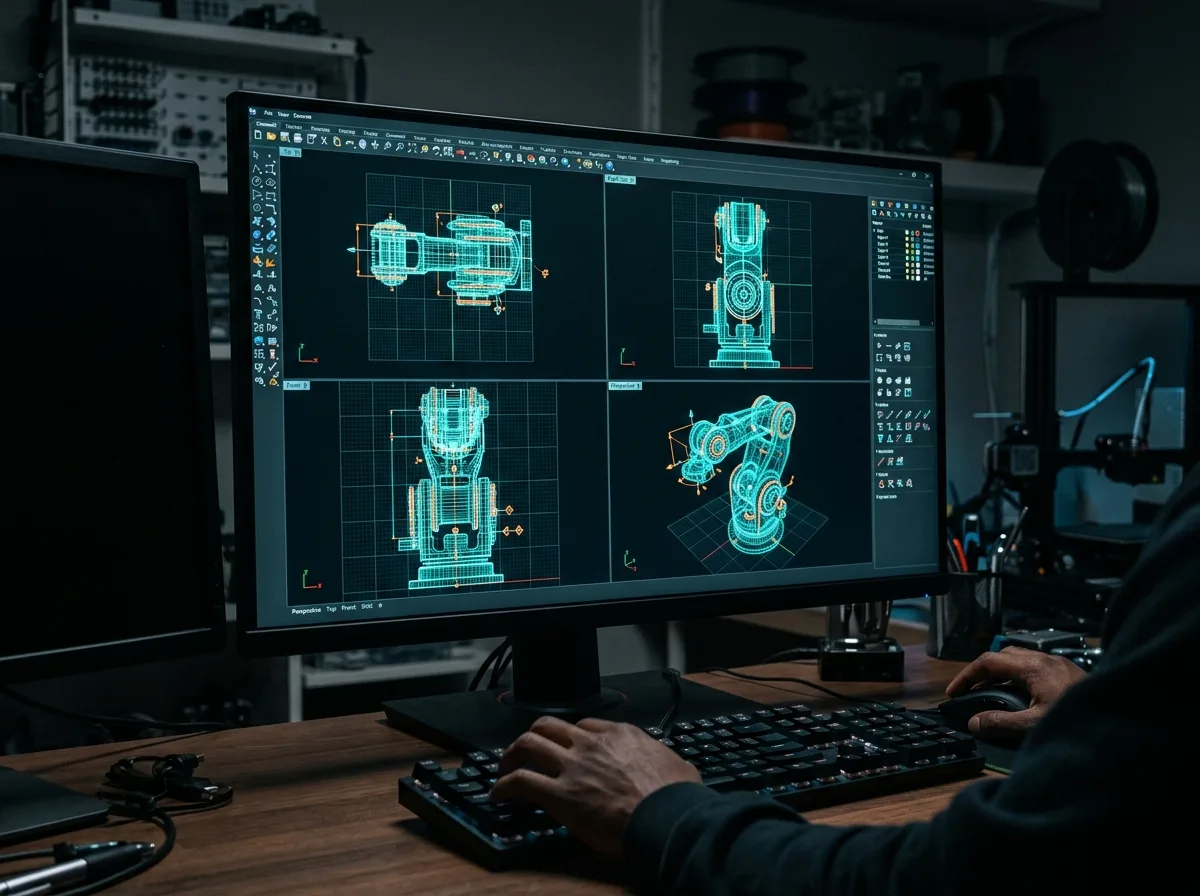
Designer working on a CAD model for a 3D printed product in Fusion 360
01

Design

Every product starts as a 3D model. For our own range, we design each piece in CAD from scratch, testing and iterating until the geometry prints cleanly and holds up in use. For custom orders, we'll work from your file, your sketch, or your description — whatever you've got.
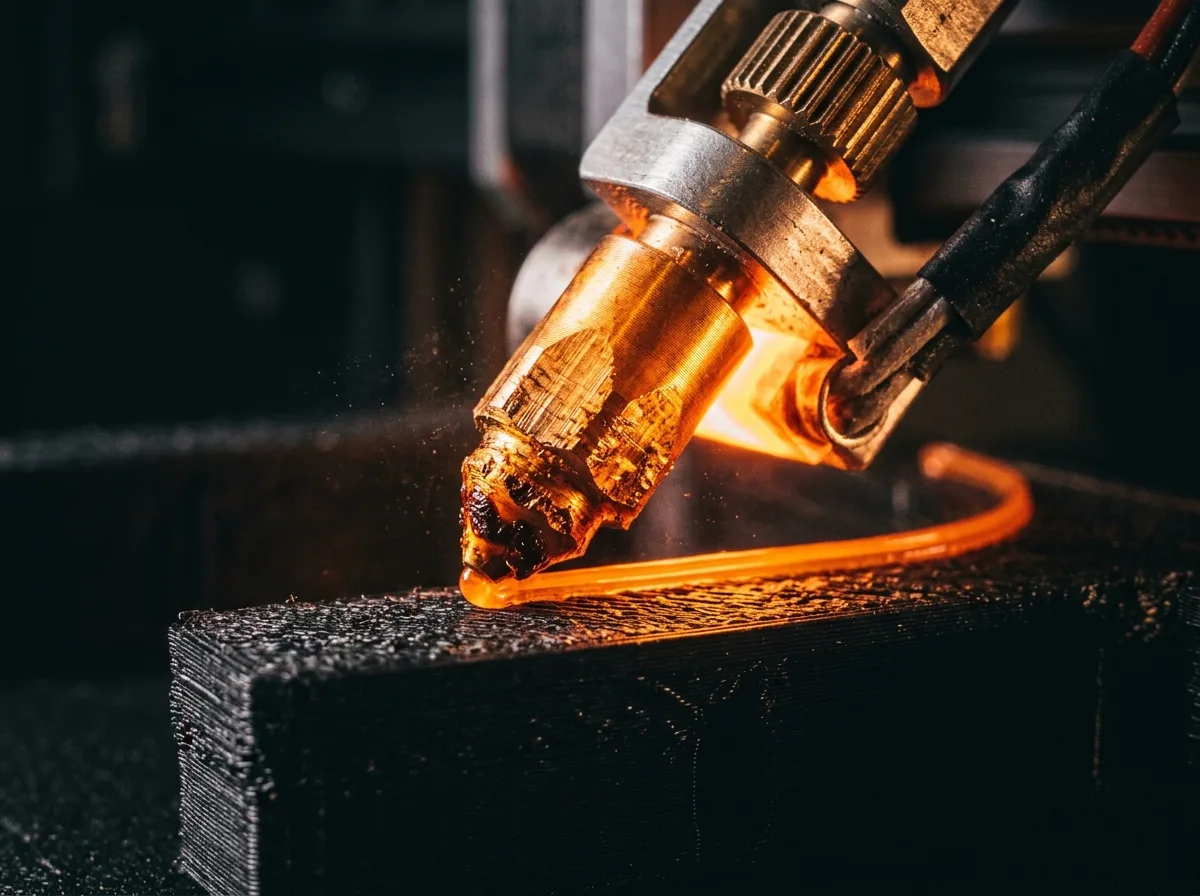
FDM printer mid-print with a glowing hot end laying down orange filament
02

Print

We run industrial-grade FDM (Fused Deposition Modelling) printers, which build parts layer by layer from molten thermoplastic. Depending on the job, we'll print in PLA for detail, PETG for strength and weather resistance, or TPU when the piece needs to flex. Settings are tuned per print — layer height, temperature, speed, and infill are dialled in for the specific part.

Hands post-processing a 3D print on a workbench with cleanup tools
03

Finish & Quality Check

Every piece comes off the bed and goes straight to the bench. Supports are removed, edges are cleaned up, and the print is inspected under good light. Anything with visible defects — under-extrusion, layer shifts, warping — gets reworked or recycled. Only pieces that pass inspection get packed and shipped.


What we print with

Three materials, three jobs

We stock three core materials, chosen because each one does a job the others can't. When you enquire about a custom piece, we'll recommend the right one for your use case.

PLA

Polylactic Acid

Plant-based, easy to print, and available in the widest colour range. Great for decorative pieces, desk items, and anything that lives indoors. Not ideal for high heat or heavy load — leave it in a hot car and it will soften.

PETG

Polyethylene Terephthalate Glycol

Tougher than PLA and more heat-resistant. Handles outdoor use, light impact, and moisture without complaint. Our go-to for functional parts, brackets, and anything that needs to survive real-world use.

TPU

Thermoplastic Polyurethane

A flexible, rubber-like filament. Used for grips, gaskets, protective sleeves, and anything that needs to bend without snapping. Slower to print but worth it when the application calls for give.


The technical stuff

Print specs

Layer height 0.12 mm – 0.28 mm (finer for detail, thicker for speed)
Infill 15% – 100% depending on strength requirements
Wall thickness 2 perimeters standard, up to 5 for load-bearing parts
Tolerances ±0.2 mm typical on FDM; tighter possible with post-processing
Build volume Up to 300 × 300 × 300 mm per part
Nozzle sizes 0.4 mm standard, 0.6 mm for speed, 0.2 mm for fine detail

Still got questions?

We've answered the ones we hear most often — from material care to custom file formats.

Read the FAQ